
Kay’s Transformation
The Snow QueenThis character arc follows Kay from affectionate childhood through distorted coldness to recovered feeling.
increasing Bearing strength in each event
 decreasing
Bearing strength in each eventdecreasingA Loving Companion

A Loving Companion
Shared play
Kay and Gerda meet through the windows and spend summer days among the roses. Their closeness resembles sibling affection without depending on family relation.
A humane starting point
Kay’s childhood offers the baseline against which his later cruelty is measured. He can enjoy flowers and stories before the fragments change his perception.
The Glass Enters
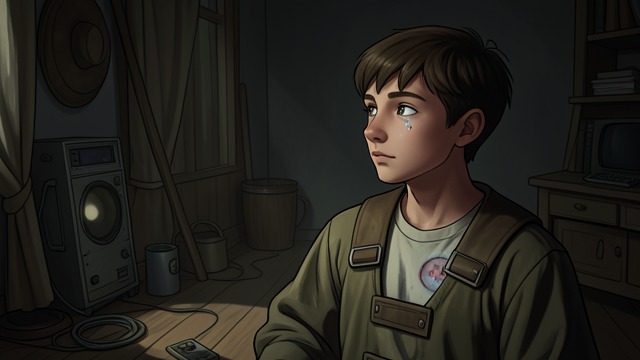
The Glass Enters
Invisible injury
Kay feels a blow to his heart and a speck in his eye. Gerda cannot see the shard, so the alteration begins without a clear outward cause.
Feeling narrows
The fragment in his heart turns cold, and the one in his eye magnifies faults. Together they make emotional distance appear like superior judgment.
Cruelty Praised as Talent

Cruelty Praised as Talent
Mockery expands
Kay tears up roses, dismisses picture books, imitates Grandmother, and ridicules people in the street. His behavior grows from a changed perception into a habit of humiliating others.
A false reputation
Observers call him clever and gifted, mistaking cruel mimicry for genius. Their praise helps conceal the loss of tenderness beneath his new performance.
The Queen’s Companion

The Queen’s Companion
Memory erased
The Snow Queen’s kisses make Kay forget Gerda, Grandmother, and home. He feels no cold and sees the Queen as perfect, while the world behind him disappears from his thoughts.
A dependent freedom
Kay believes himself comfortable in the icy realm, but remains subject to the Queen and her challenge. His apparent autonomy is structured by her terms.
Recognition and Return

Recognition and Return
Feeling restored
Gerda embraces Kay and weeps; the warmth thaws him and removes the shards. Kay cries, recognizes her, and understands that the palace is cold and empty.
A changed homecoming
Kay returns with Gerda and grows into adulthood alongside her. Their childhood persists as a moral capacity, not as literal unchanging age.
summer, before the mirror fragments arrive
summer, during the children’s picture-book afternoon
later summer, after Kay begins mocking others
winter, during Kay’s flight from town
near the ending, in the ice palace
